
SHENZHEN, China Sat Dec 6, 2014 9:49pm EST
.jpg)
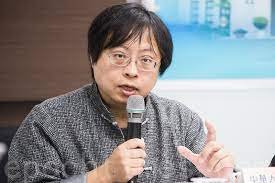
Labour lawyer Duan Yi (C), who is representing one of the defendants, speaks to the media outside a court in Guangzhou, Guangdong province, in this April 15, 2014 file picture.
CREDIT: REUTERS/JOHN RUWITCH/FILES
(Reuters) – When local officials warned striking shoe factory workers in China’s Pearl River Delta this summer that they were breaking the law, a slight, bespectacled figure barely 5 feet 5 inches (1.65 meters) tall faced them down.
“Where is the law that says striking is illegal? If this activity is prohibited by the law, then you need to say so with crystal clarity. Which law is it?” labor lawyer Duan Yi said he told them, with his characteristic growl.
They had no answer.
While striking workers and those helping them have often been harassed, detained and sometimes imprisoned, Duan, 57, is unscathed after nearly 10 years spent testing the boundaries as China’s economy has been transformed.
“If you industrialize,” says Duan, “it inevitably touches upon industrial relations. And if you don’t resolve the problem of labor-capital relations, your industrialization won’t go very far.”
China’s ruling Communist Party is deeply paranoid about social instability arising from labor disputes. Though the country boasts the biggest union in the world, the All-China Federation of Trade Unions (ACFTU), it is a state-run body that critics say regularly favors investors over workers.
Under President Xi Jinping, pressure has intensified on rights advocates, but that has not stemmed a wave of labor activism engendered by a slowing economy, shifting demographics and the rise of social media.
The rope that Beijing appears to give Duan is, say some, a recognition in official circles that labor disputes have not always been well handled.
Even President Xi, behind closed doors, criticized the ACFTU in late 2013 for not doing more for workers, according to academics and former union cadres.