

JUNE 1, 2015 7:18 AM June 1, 2015 7:18 am
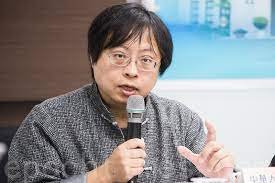
For more than 30 years, Willy Wo-Lap Lam has been one of the most widely read analysts of elite politics in China.

Willy Wo-Lap Lam.Credit Courtesy of Willy Wo-Lap Lam
The 62-year-old professor at Chinese University of Hong Kong is the author of five books analyzing China’s top leaders since Zhao Ziyang. His most recent book, “Chinese Politics in the Era of Xi Jinping: Renaissance, Reform, or Retrogression?”, explores how a relatively undistinguished regional official became one of the most powerful and charismatic leaders in the history of the People’s Republic. In an interview, Mr. Lam discussed what’s behind Mr. Xi’s reversal of many of the principles that have guided Chinese politics in the post-Mao era and what Mr. Lam sees as “the closing of the Chinese mind.” Excerpts follow:
Q.
You have analyzed all major Chinese leaders over the past 30 years. What drew you to Xi?
A.
Xi is very different from previous leaders. Basically Jiang Zemin and Hu Jintao followed Deng Xiaoping’s instructions not only to reform the economy, but to carry out some degree of institutional changes. Deng didn’t believe in Western-style reforms, but he did try major institutional reforms to prevent a second Cultural Revolution and a Mao Zedong-style tyranny. So he promoted collective leadership — that the [ruling Communist Party’s] Politburo and especially its Standing Committee rule as a collective entity and the general secretary is just first among equals. Also, he didn’t want a cult of personality. Deng had a famous saying that leadership should come from the “five lakes and four seas” — from different backgrounds and all walks of life.
But Xi Jinping so far has stood many of Deng’s principles on their heads. We have seen an excessive concentration of personal power by Xi Jinping. He’s not first among equals. He’s the big boss. He runs roughshod over the other six members of the Standing Committee, especially Premier Li Keqiang.
Q.
Perhaps there is a plausible argument that he needs to concentrate power to push through reforms?