

Behind the Story: TIME’s Hannah Beech Discusses China’s Next Leader, Xi Jinping
TIME’s China bureau chief talks about how she reported on the upcoming political handover in Beijing and why China continues to be a morally oppressive society
By SORCHA POLLAK | October 11, 2012 |

TIME PHOTO-ILLUSTRATION. PHOTOGRAPH BY CHIP SOMODEVILLA / GETTY IMAGES
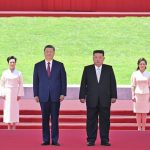
Two days after the U.S. chooses a new President another country will get its own new leadership in a decision that will likely prove just as momentous as the election of Barack Obama or Mitt Romney. On Nov. 8, at its 18th Party Congress, the Chinese Communist Party will begin a rare, once-in-a-decade transition of power. Current Party General Secretary Hu Jintao’s 10 years in charge will come to an end and Vice President Xi Jinping will almost certainly take his place as the leader of the world’s most populous nation. There’s a lot at stake for the country — and the rest of the world. As disparities in wealth continue to grow in China, public protests are on the increase and younger Chinese are becoming more vocal online, especially through social media. With increased affluence has come a desire among many Chinese for greater political freedom. That growing social unrest, along with slowing economic growth and recent scandals involving high-level officials, is challenging the Chinese leadership and its resolute defense of weiwen, or the maintenance of stability. Can China under Xi adapt to its population’s changing desires or will the Communist Party find itself in conflict with a growing number of its 1.3 billion citizens?